
Thanksgiving Turkey Carving Tips: How to Handle Hot Roasting Equipment
Thanksgiving turkey carving isn’t just about slicing meat; it’s about keeping your hands safe around hot roasting equipment and making the most of your bird’s flavor. Skipping the resting step can leave your turkey dry, and rushing to transfer it might cause accidents in the kitchen. In this post, you’ll find clear, practical tips on turkey resting techniques, safe turkey handling, and choosing the right carving tools to protect yourself and serve a juicy, beautiful meal. For more information on safe handling, you can visit this helpful guide.

Get FREE shipping on the Ove Glove today!
Importance of Turkey Resting
Resting your turkey is vital to achieve that perfect juiciness. This section explores why resting is an essential step you shouldn’t skip.
Optimal Juiciness Explained
Resting your turkey allows the juices to redistribute evenly throughout the meat. When you cut into a hot turkey immediately, the juices will spill out, leaving the meat dry. By allowing the turkey to rest, the juices settle and result in a moist, flavorful meal. Scientific studies show that letting meat rest can increase juiciness by up to 20%. Picture slicing into a juicy turkey that impresses your guests. The longer you wait, the more flavorful your turkey will be.
Timing the Rest Period
The ideal rest period for a turkey is between 20 to 30 minutes. This timeframe allows the internal temperature to stabilize and the juices to redistribute. During this period, you can prepare side dishes or set the table. A well-rested turkey not only tastes better but also makes carving easier. Remember: patience is key. Keep the turkey covered with foil to maintain warmth during this time.
Safe Turkey Handling Techniques
Handling your turkey safely is crucial to avoid burns or accidents. Proper techniques make all the difference.
Proper Lifting Methods
When lifting a turkey, use a sturdy roasting rack with handles. This gives you a secure grip and reduces the risk of dropping the bird. Avoid using flimsy utensils or your bare hands. A turkey can weigh anywhere from 12 to 25 pounds, so ensure you have a firm hold before moving it. With a secure grip, you prevent mishaps and maintain kitchen safety.
Essential Tools for Transferring
Use long-handled utensils like forks or spatulas to move your turkey from the roasting pan to the serving platter. These tools keep your hands safe from hot surfaces. A carving fork provides stability, while a spatula supports the weight of the turkey. Consider investing in quality tools to make this process easier. A few extra seconds of care can save you from a painful burn.
Keep your hands safe while cooking! Order today!
Handling Hot Roasting Equipment
Managing hot roasting equipment is essential for a safe Thanksgiving. Here’s how to protect yourself effectively.
Protective Gear Selection
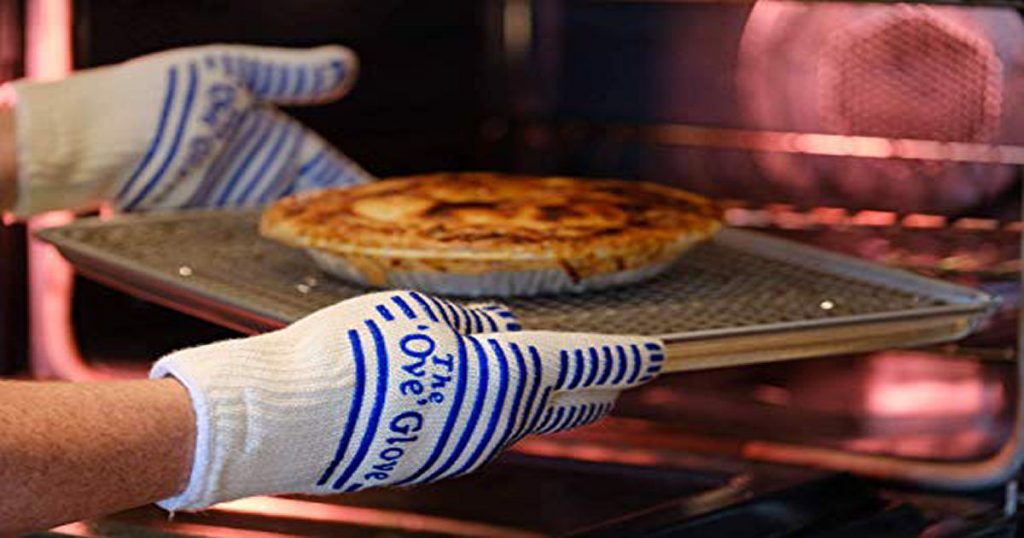
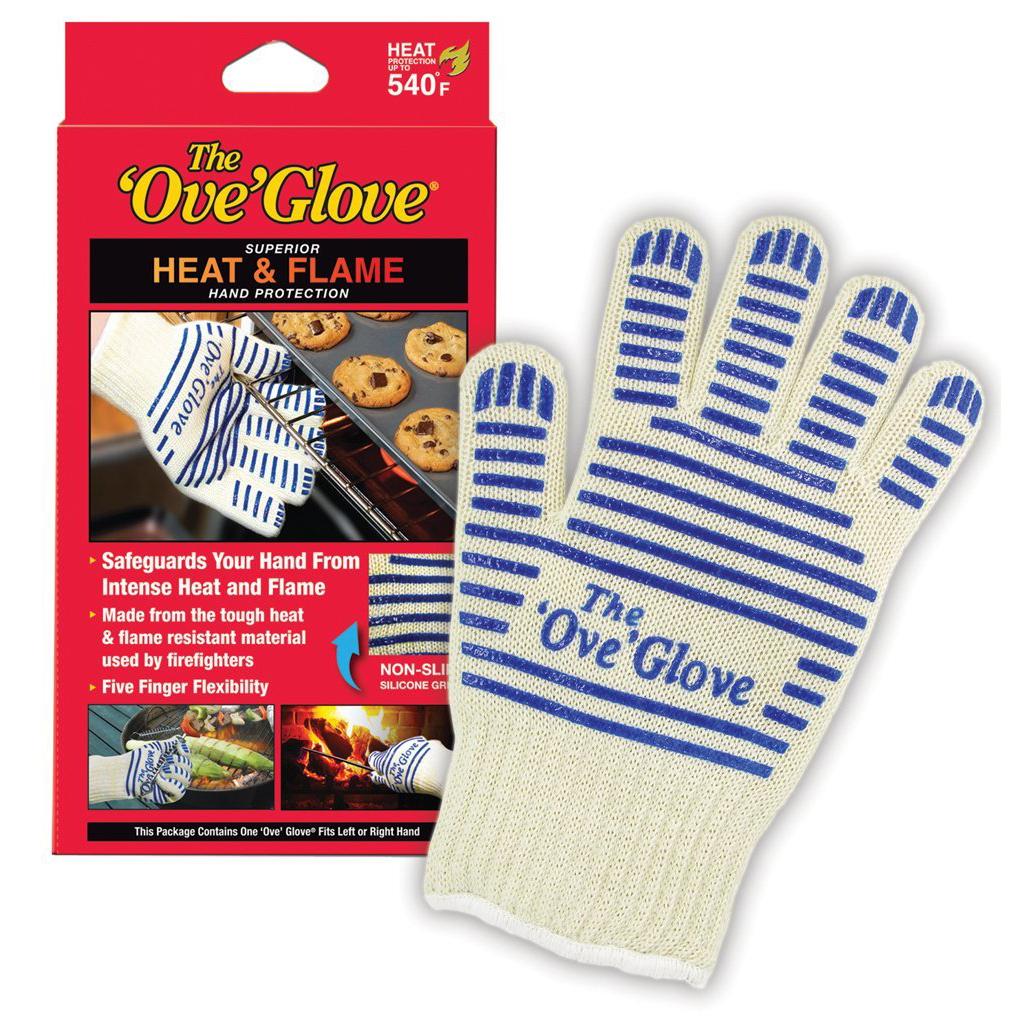
Choosing the right oven mitts is crucial. Look for mitts that offer high heat resistance. Silicone oven mitts are highly recommended, as they can withstand temperatures up to 500°F. These mitts provide excellent grip and protection. Read more about silicone vs traditional oven mitts to decide what’s best for you. Avoid thin mitts that offer little protection.
Safe Utensil Usage
Use utensils with heat-resistant handles to prevent burns. Wooden or silicone handles are excellent choices. Avoid metal handles that can become scorching hot when exposed to heat. With the right utensils, you can handle your turkey and roasting pan safely and with confidence. This small investment in quality kitchen tools can make a big difference.
Turkey Carving Tips
Carving a turkey is an art that requires the right tools and techniques. Let’s make it easy and enjoyable.
Choosing the Right Carving Tools
A sharp carving knife is essential for smooth cuts. Dull knives can tear the meat and ruin your presentation. Consider a knife with a long blade for better reach and control. A guide to selecting the best carving knife can be helpful. Additionally, a carving fork will help you hold the turkey steady while you slice.
Step-by-Step Carving Guide
-
Start with the legs: Remove them by cutting through the joint.
-
Carve the breasts: Slice parallel to the breastbone.
-
Go for the wings: Twist them off or use a knife to separate.
-
Finish with the thighs: Cut them into smaller pieces for serving.
Following these steps will ensure that your turkey is carved perfectly and ready for presentation.
Ensuring a Flawless Presentation
A well-presented turkey enhances the dining experience. Here’s how to achieve it.
Maintaining Flavor During Carving
Keep the turkey warm by covering it with foil as you carve. This retains heat and moisture, enhancing the flavor. A serving platter with a warming element can also help. By maintaining the right temperature, you ensure every bite is delicious and satisfying.
Arranging Turkey for Serving
Arrange the carved pieces neatly on a large platter. Group similar cuts together: breasts, legs, wings, and thighs. Garnish with fresh herbs like rosemary or parsley for a touch of color. This arrangement not only looks appealing but also makes it easy for guests to serve themselves.
Frequently Asked Questions
How long should I let my turkey rest before carving?
Let your turkey rest for 20 to 30 minutes. This allows juices to redistribute, resulting in a juicier turkey.
What tools do I need for safe turkey handling?
Use sturdy roasting racks and long-handled utensils like forks and spatulas to safely move your turkey.
What’s the best way to carve a turkey?
Begin with the legs, move to the breasts, then the wings, and finish with the thighs. Use a sharp carving knife for best results.
How can I keep my turkey warm during serving?
Cover the turkey with foil while carving. Use a warming platter to maintain heat, preserving flavor and moisture.
What type of oven mitts should I use?
Opt for high heat-resistant mitts such as silicone. These provide better protection and grip, making them safer for handling hot equipment.


All major credit cards accepted
Free Shipping – Order – Track Order – Contact Us
Choosing the Right Gloves for Handling Hot Objects
Kitchen Safety Equipment 101: Choosing the Right Gloves for Handling Hot Objects Most kitchen burns happen because people trust any glove, not the right one. Picking the best gloves for hot pans isn’t just about comfort—it’s about stopping painful accidents before they start. Let’s cut through the noise around cooking [...]
Proven Kitchen Safety Tips for New Home Chefs
Cook Without Injury: Proven Kitchen Safety Tips for New Home Chefs Most new home cooks underestimate how easy it is to get hurt in the kitchen. Cuts, burns, and slips happen more often than you might think—and they can turn a fun cooking session into a painful memory. This guide [...]
Are Oven Mitts or Heat Resistant Gloves More User-Friendly?
Flexibility in Cooking: Are Oven Mitts or Heat Resistant Gloves More User-Friendly? You might think oven mitts and heat resistant gloves serve the same purpose, but the difference goes beyond looks. When your hands need both protection and freedom to move, one option might leave you struggling while the other [...]
Boost Your Kitchen’s Safety with the Best Heat Protection
From Towels to Top Gear: Boost Your Kitchen's Safety with the Best Heat Protection Towels and cheap mitts have been kitchen staples for decades, but they often fail when the heat gets intense. You might think using what’s on hand is enough, until a close call proves otherwise. This guide [...]
Your Guide to Choosing the Best Silicone Oven Mitts
Baking with Confidence: Your Guide to Choosing the Best Silicone Oven Mitts Burning your hands while baking is more common than you think. Grabbing hot trays without the right protection can ruin your day—and your dessert. Choosing the best silicone oven mitts offers a simple way to keep your hands [...]
How to Avoid Burns and Keep Cool Under Pressure
Chef Kitchen Safety Tips: How to Avoid Burns and Keep Cool Under Pressure Burns are the top injury in kitchens, especially when the heat is on and orders pile up. You might think it’s just luck if a chef avoids getting burned during rush hour, but there’s a method behind [...]

Leave A Comment
You must be logged in to post a comment.