
Understanding Heat Retention: Why Metal Racks Cause Severe Cooking Injuries
Oven rack burns catch many home cooks off guard because these thin metal racks hold intense heat long after the oven is off. When your forearm or hand brushes against one, the pain can be far worse than you expect. Understanding how metal rack heat causes these common cooking injuries will help you protect yourself and treat accidental burns before they worsen. For more tips on burn prevention, visit this page.

Get FREE shipping on the Ove Glove today!
The Science of Heat Retention
Understanding why your oven racks stay so hot is the first step in preventing those painful burns. Let’s dive into the science.
Why Metal Racks Heat Up
Metal conducts heat quickly and efficiently. When you preheat your oven, the metal racks absorb and retain this heat.
-
Heat Conductivity: Metal’s ability to conduct heat is much higher than materials like wood or plastic. This makes it perfect for cooking but dangerous for bare skin.
-
Prolonged Retention: Even after you turn the oven off, metal racks can stay hot for a long time. This increases the risk of accidental burns if you’re not careful.
Conductivity and Cooking Injuries
Cooking injuries often occur because metal’s high conductivity transfers heat to your skin instantly.
-
Instant Heat Transfer: The moment your skin touches a hot rack, the heat moves to your skin, causing a burn in seconds.
-
Severity of Burns: While touching a hot pan might give you a quick jolt, a metal rack can cause deeper burns due to prolonged contact.
Common Scenarios for Accidental Burns
Accidental burns in the kitchen happen more often than you’d think. Here are some common scenarios:
-
Removing Food: You’re focused on getting your dish out, and your arm brushes against the rack.
-
Reaching In: You might reach into the oven without an oven glove, forgetting how hot the racks are.
-
Distractions: A phone ringing or a child needing attention can lead to a quick lapse in attention and a painful burn.
For kitchen safety tips, check out this resource.
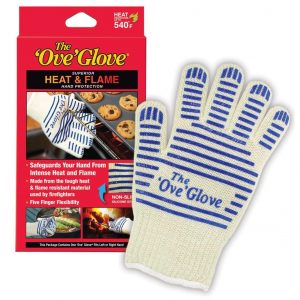
Protect your hands while cooking with the Ove Glove
Understanding Oven Rack Burns
Now that you know how these burns happen, let’s explore why they can be so severe and how they affect your skin.
The Severity of Contact Burns
Contact burns from oven racks are not just surface-level injuries. They can be deeper and more painful.
-
Depth of Injury: These burns often damage multiple layers of skin, resulting in more severe pain and longer healing times.
-
Immediate Pain: The intense heat can cause immediate blistering, which requires careful treatment to avoid infection.
Anatomy of a Burn Injury
Burn injuries have different stages, and understanding them can help in their treatment.
-
First-Degree Burns: Affect the outer layer of skin, causing redness and pain.
-
Second-Degree Burns: Damage deeper layers, leading to blisters and potential scarring.
-
Third-Degree Burns: Affect all skin layers and may require professional medical treatment.
Pain and Healing Process
The pain from a burn is often intense and can take time to heal.
-
Healing Time: While minor burns heal in a week or two, more serious injuries can take longer and may need medical attention.
-
Pain Management: Cooling the burn immediately can reduce pain, but ongoing care is crucial for recovery.
Preventing Kitchen Accidents
Prevention is key when it comes to kitchen safety. Here are some tips to keep you safe.
Essential Kitchen Safety Tips
Staying safe in the kitchen is easier with a few key practices.
-
Stay Focused: Always pay attention when using the oven.
-
Use Protective Gear: Oven gloves like the Ove Glove can help protect your hands.
-
Keep a Safe Distance: Avoid reaching over hot racks or dishes.
Tools for Safe Cooking
Investing in the right tools can make a big difference in kitchen safety.
-
Oven Gloves: High-quality gloves provide protection against burns.
-
Cooking Thermometers: Ensure your food is cooked properly without having to touch the racks.
-
Timers and Alarms: Keep track of cooking times to avoid distractions.
Importance of Awareness and Caution
Awareness is your best defense against burns.
-
Educate Yourself: Knowing how burns happen can help you avoid them.
-
Teach Others: Share knowledge with family members to ensure everyone’s safety.
For more on burn prevention, visit Brighton FD’s safety page.
Effective Burn Treatment Options
If you do get burned, prompt treatment is crucial. Here’s what you can do.
First Aid for Accidental Burns
Immediate action can minimize damage and speed up recovery.
-
Cool the Burn: Use cold water, not ice, to cool the burn.
-
Protect the Area: Cover with a clean cloth to prevent infection.
-
Avoid Popping Blisters: This can lead to infection and slow healing.
Professional Medical Advice
For severe burns, seeking medical advice is important.
-
When to See a Doctor: Burns larger than a quarter or on sensitive areas need professional care.
-
Follow-Up Treatments: Regular check-ups may be necessary to monitor healing.
Long-term Care and Recovery
Healing from a burn can take time. Here are some tips for long-term care.
-
Moisturize: Keeping the skin hydrated can promote healing.
-
Scar Management: Silicone gel sheets or creams can reduce scarring.
-
Consult Professionals: Dermatologists can offer advice on scar treatments.
Building a Safer Cooking Environment
Creating a safe kitchen is about more than just tools. It’s a mindset.
Investing in Protective Gear
Protective gear is a small investment that pays off in safety.
-
Quality Matters: Invest in durable oven gloves and mitts.
-
Regular Replacements: Check for wear and tear and replace as needed.
Educating Home Cooks
Knowledge is power, and sharing it can prevent accidents.
-
Community Learning: Join groups like this Facebook group to share tips.
-
Workshops: Consider attending or hosting kitchen safety workshops.
Creating a Safety-first Mindset
A safety-first mindset can make your kitchen a safer place.
-
Routine Checks: Regularly inspect your kitchen for potential hazards.
-
Encourage Caution: Remind family members to be careful and attentive.
By understanding heat retention and taking proactive steps, you can minimize the risk of burns and create a safer cooking environment.


All major credit cards accepted
Free Shipping – Order – Track Order – Contact Us
Essential Tips for Keeping Your Cookouts Risk-Free
Hot Grill Safety: Essential Tips for Keeping Your Cookouts Risk-Free Most people ignore how quickly BBQ flare-ups can turn a fun cookout into a risky moment. You might think you’ve got hot grill safety figured out, but outdoor cooking dangers often catch even seasoned grillers off guard. This post shares [...]
How Chefs Handle Hot Pans Like Pros
Mastering the Art: How Chefs Handle Hot Pans Like Pros You’ve seen chefs move with ease around scorching pans, never flinching or dropping a dish. What’s their secret behind hot pan handling techniques that keep burns out of the picture? In this post, you’ll get professional cooking techniques and chef [...]
Your Guide to Avoiding Common Cooking Accidents
Mastering Kitchen Safety: Your Guide to Avoiding Common Cooking Accidents Kitchen mishaps cause over 100,000 injuries each year, many of them preventable with the right knowledge. If you’ve ever dealt with a nasty cut or a painful burn, you know how fast things can go wrong. This guide covers essential [...]
Are Oven Mitts or Oven Gloves Safer?
Heat Protection Showdown: Are Oven Mitts or Oven Gloves Safer? Oven mitts have long been kitchen staples, but when it comes to real heat protection, are they the safest choice? Many home chefs overlook how flexibility and grip can make a critical difference when handling hot, heavy dishes. This safety [...]
Finding the Best Oven Gloves for Your Needs
Essential Baking Accessories: Finding the Best Oven Gloves for Your Needs Burning your hands while baking is more common than you might think. Many oven gloves on the market fall short when it comes to real heat protection and grip. This guide breaks down the best oven gloves made from [...]
Avoiding Burns with Your Air Fryer
Stay Cool in the Kitchen: Avoiding Burns with Your Air Fryer Air fryers are everywhere in kitchens today, but many cooks underestimate the heat risks in air fryers. You might think handling those baskets and trays is simple until a sudden burn proves otherwise. This guide on air fryer safety [...]


