
Why Regular Kitchen Towels Aren’t the Best Choice for Handling Hot Pans
Regular kitchen towels might seem like a quick fix when handling hot pans, but they often leave your hands vulnerable to burns. Damp towels and thin dishcloths lose their grip on heat, turning into risky, makeshift potholders. Switching to heat-resistant gloves designed for the kitchen offers real protection and peace of mind. Let’s explore why Kitchen Towels Aren’t the Best for Handling Hot Pans and what safer options you can use. For more information, check out this guide on safely handling hot pots and pans.

Get FREE shipping on the Ove Glove today!
The Risks of Regular Kitchen Towels
Using regular kitchen towels might seem convenient, but they can expose you to serious hazards. Let’s explore the risks associated with these common kitchen items.
Heat Exposure Hazards
Kitchen towels are not designed to withstand high temperatures. They can easily transfer heat to your hands, leading to burns. Most people assume that folding a towel a few times will offer protection, but when handling hot pans, this is not enough. The fabric can quickly become a conductor of heat, putting your safety at risk. Thick layers might feel secure at first, but heat penetrates them more rapidly than you might expect.
Damp Towels and Burns
Damp towels are particularly dangerous. When moisture is present, heat transfers even faster, increasing the risk of burns. Many home cooks have learned this the hard way. Using a wet towel to lift a hot pan can result in painful blisters. The steam generated by the heat evaporating the moisture amplifies the danger. Always keep your towels dry, and consider alternatives if you frequently handle temperatures above what a towel can manage safely.
Thin Dishcloth Dangers
Thin dishcloths are also a poor choice. They offer minimal protection against heat, often leading to accidents. While thin cloths might seem versatile, they’re not suitable for handling hot cookware. They fail to provide a barrier, and their grip can be unreliable, increasing the likelihood of dropping hot items. To protect your hands, it’s essential to use materials designed specifically for high-heat environments.
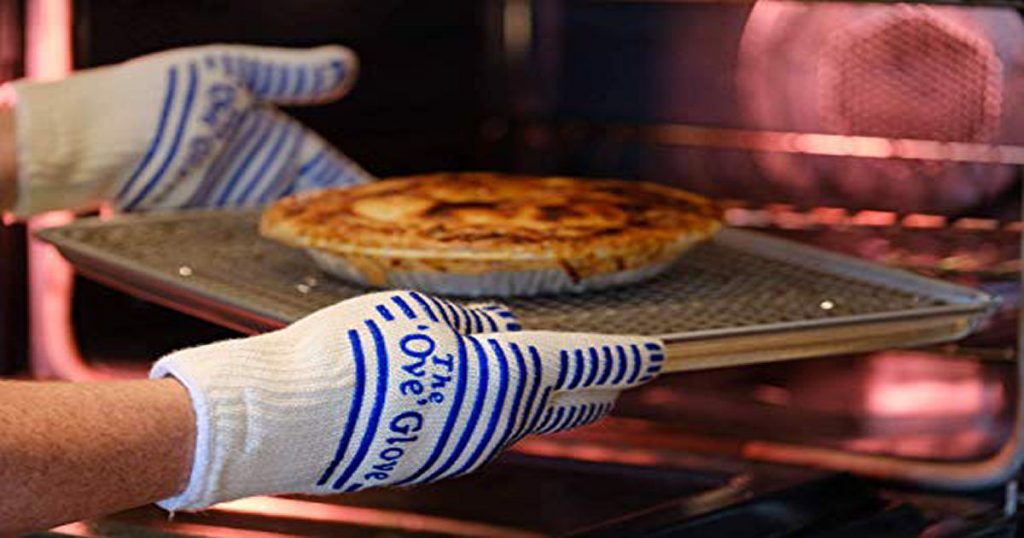
Keep your hands safe while cooking! Order today!
Potholder Alternatives Explained
Switching from regular towels to purpose-designed alternatives can enhance safety in your kitchen. Let’s examine why these options are more effective.
Why Size and Material Matter
When choosing potholders, size and material are crucial. Larger potholders cover more surface area, protecting both hands and wrists. Equally important is the material. Heat-resistant fabrics and silicone offer superior protection compared to regular cloth. They don’t just insulate; they provide a firm grip, which is essential when handling hot items. Prioritize these attributes to ensure your safety in the kitchen.
Comparing Heat-Resistant Options
Not all heat-resistant options are created equal. Some materials offer better protection and durability. For instance, silicone has become a popular choice for its heat resistance and flexibility. Unlike fabric, silicone doesn’t absorb moisture, making it a safer option. Learn more about the benefits of silicone oven mitts here.
Benefits of Silicone and Other Materials
Silicone is a standout material for kitchen safety. It’s not only heat-resistant but also provides excellent grip. Other materials, like aramid fibers, are known for their durability and heat protection. These materials are engineered to withstand extreme temperatures without compromising safety. Investing in these options can transform your cooking experience, ensuring both safety and ease.
The Science of Heat-Resistant Gloves
Understanding the science behind heat-resistant gloves can help you appreciate their value. They’re not just trendy accessories; they’re essential safety tools.
Material Innovation in Gloves
Modern heat-resistant gloves are crafted from innovative materials. These include silicone and special fibers designed to withstand high temperatures. These materials provide a barrier between your hands and the heat, ensuring you remain safe. The design is intentional, focusing on maximum protection and usability.
Comfort and Usability Benefits
Comfort is essential when you’re cooking. Heat-resistant gloves are designed to be both protective and comfortable. They fit well, allowing for precision and control. Unlike bulky towels, gloves give you better dexterity, making tasks like adjusting oven racks or handling hot pans easier.
Investing in Kitchen Safety
Investing in heat-resistant gloves is an investment in your safety. They offer peace of mind, knowing you can handle hot items without fear of burns. This investment is small compared to the potential cost of injury. Your hands are essential tools; protect them with the right equipment.
Practical Tips for Handling Hot Pans
Handling hot pans safely requires more than just the right tools. Here are some practical tips for everyday cooking.
Choosing the Right Protection
Selecting the right protection can make a huge difference. Look for gloves or mitts that offer both heat resistance and a comfortable fit. It’s vital to choose products that cover your wrists and provide a secure grip on cookware. Discover more about selecting the best oven mitt for your kitchen.
Best Practices for Kitchen Safety
Adopt best practices to enhance safety in your kitchen. Always test the temperature of a pan handle before grabbing it fully. Keep flammable items away from open flames. Regularly check your protective gear for wear and tear to ensure it’s in good condition.
Common Mistakes to Avoid
Avoid common mistakes to keep your kitchen safe. Never use damp towels on hot surfaces. Be mindful of how you position handles on the stove to prevent accidental knocks. Regularly replacing your heat-resistant gloves will also prevent accidents from worn-out materials.
Creating a Safer Kitchen Environment
A safer kitchen doesn’t happen by accident. It requires thoughtful organization and education for everyone in the household.
Organizing Your Cooking Space
Organize your kitchen to minimize hazards. Keep frequently used items within easy reach and ensure that protective gear is stored in accessible locations. Clear countertops of unnecessary clutter to prevent accidents and improve efficiency.
Educating Your Household
Educating your household about kitchen safety is critical. Teach everyone the importance of using the right protective gear. Demonstrate safe practices, like checking pan temperatures and using gloves correctly. This knowledge can prevent accidents and create a culture of safety.
Long-Term Benefits of Safety Investments
Investing in safety pays off in the long run. You reduce the risk of injury, which means less time spent recovering and more time enjoying cooking. This investment also extends the life of your cookware by ensuring it’s handled correctly, preserving its quality.
Frequently Asked Questions
Why are kitchen towels not suitable for handling hot pans?
Kitchen towels are not designed to handle high heat and can transfer heat to your hands, leading to burns. They are not safe for handling hot cookware.
What materials are best for heat-resistant gloves?
Silicone and special heat-resistant fibers are best for gloves. They provide excellent heat protection and a secure grip, ensuring safety in the kitchen.
How can I organize my kitchen for better safety?
Keep frequently used items within easy reach, and store protective gear in accessible locations. Clear countertops of clutter to prevent accidents and improve efficiency in your cooking space.


All major credit cards accepted
Free Shipping – Order – Track Order – Contact Us
Are Oven Mitts or Oven Gloves Safer?
Heat Protection Showdown: Are Oven Mitts or Oven Gloves Safer? Oven mitts have long been kitchen staples, but when it comes to real heat protection, are they the safest choice? Many home chefs overlook how flexibility and grip can make a critical difference when handling hot, heavy dishes. This safety [...]
Finding the Best Oven Gloves for Your Needs
Essential Baking Accessories: Finding the Best Oven Gloves for Your Needs Burning your hands while baking is more common than you might think. Many oven gloves on the market fall short when it comes to real heat protection and grip. This guide breaks down the best oven gloves made from [...]
Avoiding Burns with Your Air Fryer
Stay Cool in the Kitchen: Avoiding Burns with Your Air Fryer Air fryers are everywhere in kitchens today, but many cooks underestimate the heat risks in air fryers. You might think handling those baskets and trays is simple until a sudden burn proves otherwise. This guide on air fryer safety [...]
Tips for Safely Handling Hot Oven Dishes
Oven Safety 101: Tips for Safely Handling Hot Oven Dishes Burns and slips in the kitchen happen more often than you think, especially when handling hot dishes. If you’ve ever juggled a heavy casserole or struggled to pull out a tray without dropping it, you know how risky it can [...]
Essential Tools to Avoid Burns While Baking
Keep Your Cool in the Kitchen: Essential Tools to Avoid Burns While Baking Burns in the kitchen happen more often than you think, and they can ruin your love for baking fast. If you want to handle hot trays and dishes without fear, the right baking accessories make all the [...]
Pro Tips for Improving Kitchen Safety
Avoid Kitchen Hazards: Pro Tips for Improving Kitchen Safety Most kitchens hide risks you never notice until it’s too late. Slipping on a wet floor or a forgotten stove burner can turn your cooking space into a danger zone. This kitchen safety checklist highlights 15 simple fixes you can make [...]

Leave A Comment
You must be logged in to post a comment.