
Hot Pan Handling: Why Wet Towels Are a Burn Risk in Your Kitchen
Using a wet towel to grab a hot pan might seem like a quick fix, but it actually raises the burn risk in your kitchen. Moisture speeds up heat transfer, turning that towel into a heat conductor instead of a shield. Learning why dry insulated protection or an oven glove outperforms wet towels can save your skin and keep your cooking safe. Let’s explore the wet towels dangers and smart hot pan handling tips you need to know. For more details on kitchen safety, you can check out this link.

Get FREE shipping on the Ove Glove today!
Understanding Heat Transfer
Grabbing a hot pan can be tricky if you don’t know how heat moves. Understanding how moisture affects this can keep you safe in the kitchen.
Why Moisture Increases Heat Transfer
When moisture is present, heat moves faster. This is because water is a great conductor of heat. If you use a wet towel, it doesn’t take long before the heat reaches your hand. Even if the towel feels thick, it doesn’t stop the heat from coming through. For example, if you accidentally spill water on your oven mitt, the heat from the pan can travel through in seconds. Most people think a damp mitt is just as safe, but it’s not. The truth is, moisture makes it dangerous.
Comparing Dry and Wet Towels
Using a dry towel is much safer than using a wet one. A dry towel acts as a barrier to heat. It takes longer for the heat to reach your hand. In contrast, a wet towel speeds up heat transfer. If you’ve ever picked up a pan with a wet towel, you might have felt the heat almost instantly. This happens because the water in the fabric heats up quickly. Instead, always opt for a dry towel or an oven glove to stay safe.
Burn Risk in the Kitchen
Being aware of burn risks can transform the way you handle hot pans. A few smart choices can significantly lower these risks.
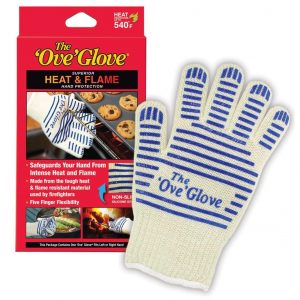
Protect your hands while cooking with the Ove Glove
The Dangers of Wet Towels
Using a wet towel can be riskier than you might think. The burn risk increases because moisture allows heat to travel fast. If you pick up something hot with a wet towel, you might feel the burn quickly. This is not just painful but could lead to serious injuries. It’s crucial to remember that wet towels are not designed to protect you from heat. Many home cooks realize too late that they should have used something else.
Safe Alternatives for Hot Pan Handling
To handle hot pans safely, you need to choose the right tools. Oven gloves are a great option. They are designed to withstand high temperatures. For instance, an Ove Glove provides more protection than a regular kitchen towel. It is made to keep the heat from reaching your skin. Another option is using pot holders designed for high heat. The longer you wait to switch to these, the higher the risk. Make a change today to keep your kitchen safe.
Kitchen Safety Essentials
Adding the right tools to your kitchen can make all the difference. You’ll cook more confidently knowing you’re protected.
Insulated Protection Options
Insulated protection is key to kitchen safety. Oven gloves are a top choice because they are crafted to handle heat. For example, some gloves can resist heat up to 500°F. They are often made from materials like silicone or Kevlar, which do not conduct heat easily. Compared to a standard towel, these options provide a solid barrier between you and the heat. Investing in them is a step toward a safer kitchen environment.
Choosing the Right Oven Glove
Picking the right oven glove is essential. Not all gloves offer the same level of protection. Look for gloves that cover your wrists too. This added length keeps your whole hand safe. Gloves with a non-slip grip help you hold pans securely. A good oven glove should be flexible, allowing you to move your fingers easily. Avoid gloves that feel stiff or awkward. The right choice will keep you confident while cooking.
Practical Cooking Tips
Equipped with the right knowledge, you can handle hot pans with ease. Let’s look at some practical tips to keep your kitchen safe.
Proper Hot Pan Handling Techniques
Handling hot pans properly can prevent accidents. Always use both hands when lifting heavy pans. This distributes the weight and keeps you balanced. If you’re using a towel, make sure it’s dry and folded several times to create a thicker barrier. Remember to place hot pans on a stable surface. Avoid setting them near the edge of the counter. These simple tips can make cooking safer and more enjoyable.
Maintaining a Safe Cooking Environment
Keeping your cooking area organized reduces risks. Ensure nothing is cluttering your workspace. This way, you can move freely without knocking things over. Keep flammable items like kitchen towels away from the stove. You can find more safety tips here. Be mindful of where you place utensils. Having a clear space makes cooking more efficient and helps you focus on preparing delicious meals.
Empowering Your Culinary Skills
By focusing on safety, you empower yourself to create more ambitious dishes. Confidence in the kitchen begins with small steps.
Boosting Confidence in the Kitchen
Confidence grows when you know you’re safe. Start by mastering the basics of hot pan handling. As you practice, you’ll feel more assured when trying new recipes. Taking these steps builds your skills and allows you to explore cooking without fear. It’s all about starting small and gradually taking on more challenges.
Encouraging Safety-Conscious Cooking Practices
Safety should always be a priority in the kitchen. Make it a habit to check your tools before cooking. Ensure your oven gloves are in good condition and your workspace is clear. This mindset not only keeps you safe but also inspires others in your household to adopt the same practices. By setting a good example, you encourage a culture of safety and enjoyment in cooking. Share your safety tips with others and make cooking a joy for everyone involved.
By focusing on these practices, you not only protect yourself but also set the stage for a fulfilling and confident cooking journey.


All major credit cards accepted
Free Shipping – Order – Track Order – Contact Us
Best Heat Resistant Gloves for Cooking
Best Heat Resistant Gloves for Cooking Burning your fingers while cooking is more common than you think, and the wrong gloves can make it worse. You need heat resistant gloves that actually protect without sacrificing comfort or grip. This guide breaks down the best cooking gloves so you can handle [...]
Oven Mitts vs Pot Holders: Which Is Safer?
Oven Mitts vs Pot Holders: Which Is Safer? Most home cooks trust their oven mitts or pot holders without a second thought. Yet, not all kitchen accessories offer the same level of burn protection and heat resistance. This post breaks down the safety features of oven mitts versus pot holders, [...]
Best Oven Gloves for Grilling and BBQ
Best Oven Gloves for Grilling and BBQ Most oven gloves fail when the heat gets intense, leaving you risking burns or fumbling with your grill tools. If you’ve ever wished your grilling gloves could offer real protection without sacrificing comfort or grip, you’re not alone. This guide breaks down the [...]
Oven Mitts vs Oven Gloves: What’s the Difference?
Oven Mitts vs Oven Gloves: What's the Difference? Most people grab whatever is handy when reaching for hot cookware, but oven mitts and oven gloves are not the same. Choosing the wrong one can cost you in safety and comfort. This cooking tools comparison breaks down how their designs, materials, [...]
How to Protect Your Hands From Burns While Cooking
How to Protect Your Hands From Burns While Cooking Burns in the kitchen happen more often than you think, and they can ruin your cooking time fast. Keeping your hands safe isn’t just about luck—it’s about using the right tools and knowing smart ways to handle hot cookware. In this [...]
Best Oven Mitts for Dutch Ovens and Cast Iron Cookware
Best Oven Mitts for Dutch Ovens and Cast Iron Cookware Heavy cast iron and Dutch ovens hold heat like a furnace, making every grab a potential burn risk. If your oven mitts aren’t up to the task, you’re asking for trouble. This guide breaks down the best oven mitts for [...]


